In this article
Every catchball league needs referees, and many of the best ones are players who started by helping at a friendly match. You do not need to know every rule by heart to begin, but you do need to know the common calls cold.
The five calls you will make most
| Fault | What to watch |
|---|---|
| Holding | The ball is held longer than 1 second before passing or throwing |
| Steps | More than one step after catching, or more than two approach steps before a jump throw |
| Four contacts | A team uses more than three contacts before sending the ball over |
| Net touch | A player touches the net during play |
| Ball out or in | Where the ball first touches the floor; the line is in |
Where to stand
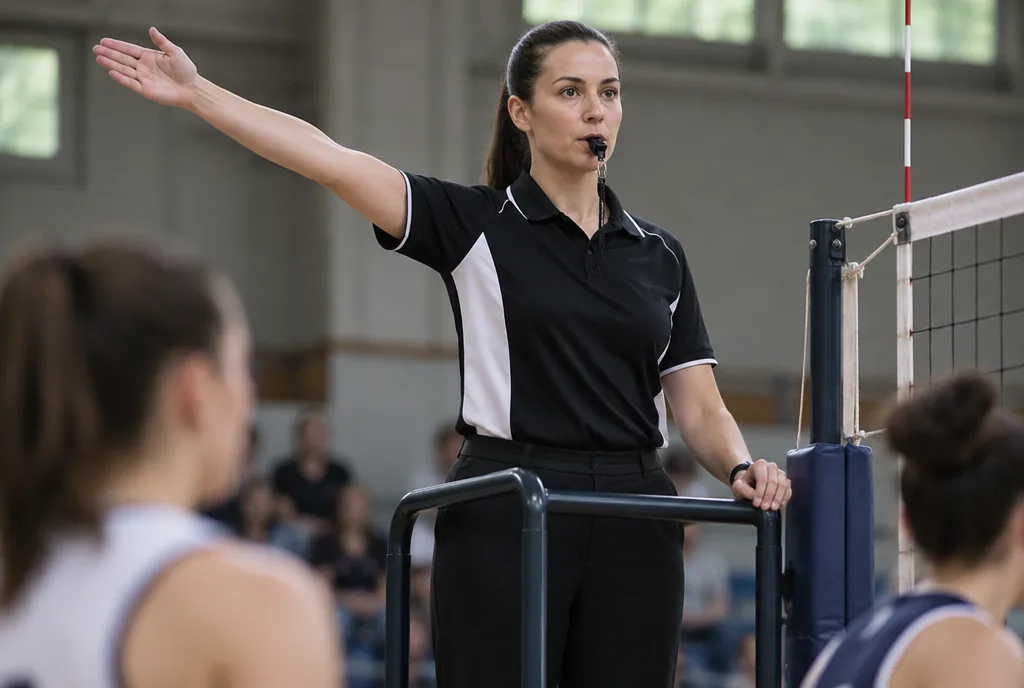
The first referee usually stands at one end of the net, slightly above it if a stand is available, so both teams and the net are visible. A second referee or line judges help with lines and net touches on the far side.
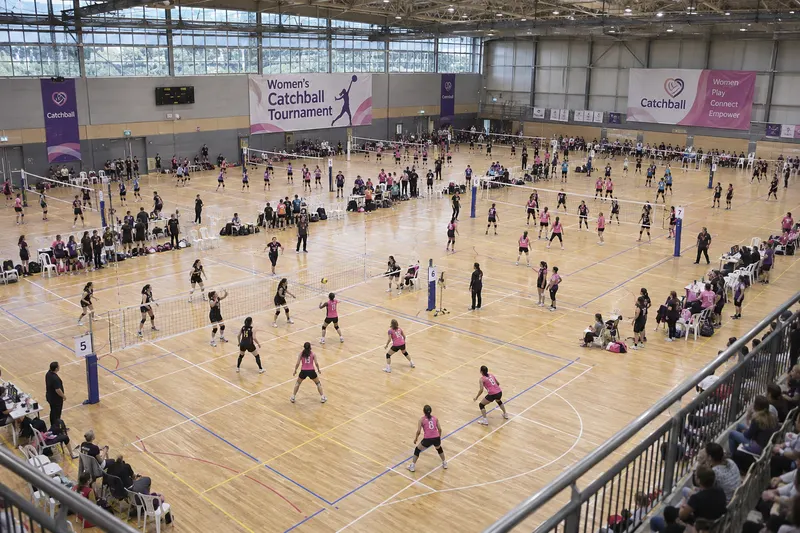 RelatedCatchball around the world in 2026: where it is played, by whom and under what name
Counting the hold
One second is shorter than it feels. Many referees count silently “one-thousand” from the moment the ball is caught. Be consistent: the same count for both teams all game is more important than being perfect.
Good refereeing habits
- Whistle, then signal clearly, then point to the team that gets the serve.
- Stay calm and short with players. Explain once, then move on.
- Check the score with the scorekeeper after every set.
- Do not change a call because the crowd is loud.
- After the match, note any rule questions to check later.
How to become a referee
- Ask your league or national association about referee courses.
- Start by being a line judge or scorekeeper at friendly matches.
- Study the rule book and the hand signals.
- Ask an experienced referee for feedback after your first games.
Frequently asked questions
What are the most common faults in catchball?
Holding the ball longer than one second, taking too many steps, using more than three contacts, touching the net and the ball landing out.
Enjoyed it? Share it with your team