In this article
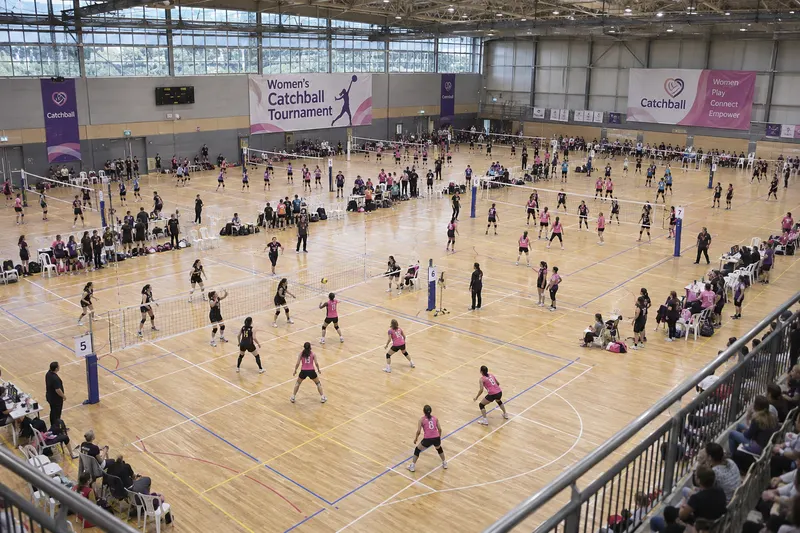
They all descend from Newcomb ball, created in 1895 by Clara Gregory Baer in New Orleans: a net game in which the ball is caught and thrown rather than hit. Today the names describe different organizations and communities more than different sports.
| Name | Who uses it | Typical players | Rules |
|---|---|---|---|
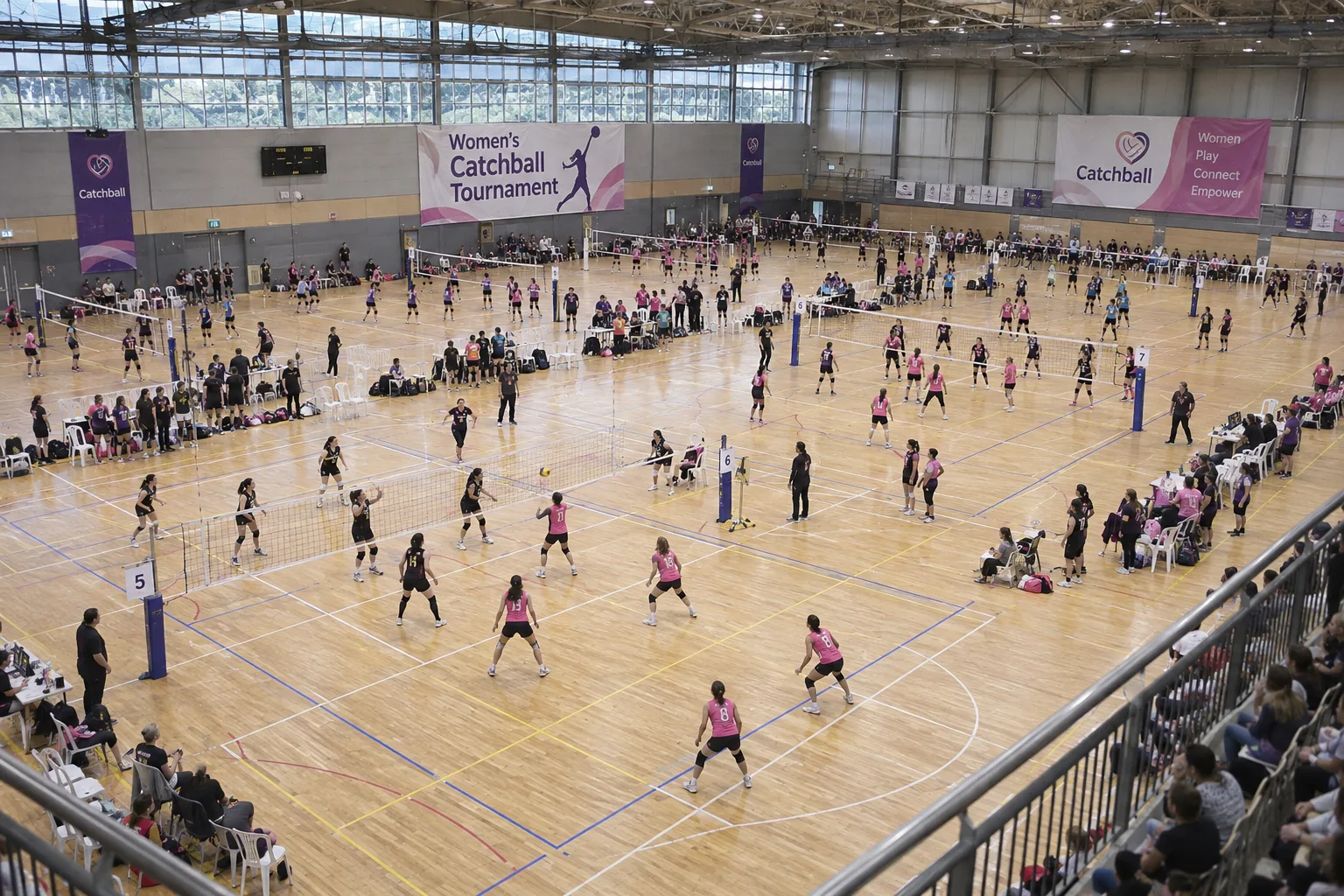
| Catchball | International Catchball Federation, USA, Canada, Africa | Women’s teams, all ages | ICF Official Rules (sets to 25) |
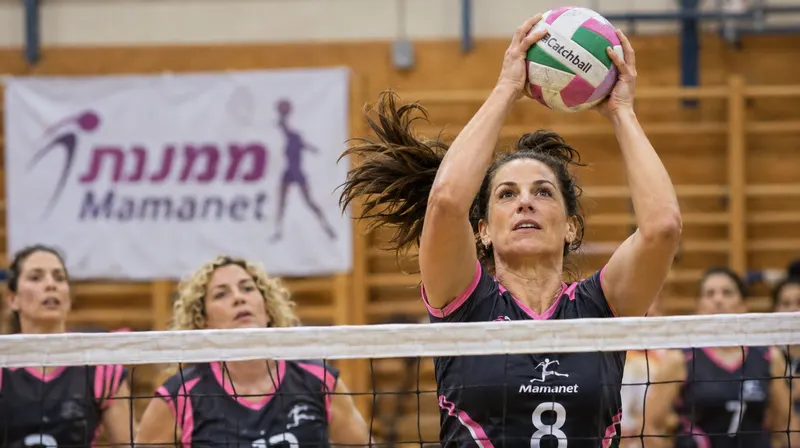
| Mamanet | Mamanet league in Israel and abroad | Mothers and women over 30 | Mamanet rules (sets to 21) |
| כדורשת | Israel (the Hebrew name) | Women’s leagues | Mamanet or Israel Catchball Association |
| Newcom | Argentina, Chile, Uruguay | Players over 40, men and women | Local federations |
| Cachibol | Mexico, Central America | Women and older adults | Municipal and national leagues |
| Newcomb ball | USA, Australia | Schools and summer camps | Informal |
If you are joining a team, the differences that matter most are set length (21 or 25 points), serve time and team size rules in local leagues. Our rules guide covers both ICF and Mamanet.
Same game, different organizations
The names usually tell you more about who organizes the game than about the rules. Mamanet is a league model built around mothers and schools; catchball is the name used by the International Catchball Federation and most national associations; cachibol and Newcom are local names that grew up independently in Latin America, often among older adults.
Rule differences that matter
- Set length: ICF sets go to 25 with a deciding set to 15; Mamanet’s rulebook and some other competitions play to 21.
- Serve time: 5 seconds under ICF rules, 8 seconds in Mamanet’s rulebook.
- Age categories: Argentine Newcom plays in +40, +50 and +60 divisions; Mamanet targets mothers and women over 30.
Before a tournament abroad, always ask which rulebook applies.
 RelatedCatchball around the world in 2026: where it is played, by whom and under what name
Where each name comes from
Newcomb is the oldest name: Clara Gregory Baer named the game after Sophie Newcomb College in New Orleans in 1895. In Spanish-speaking countries it became cachibol and, in Argentina and its neighbors, Newcom. Catchball is the English name used by the Israel Catchball Association and the International Catchball Federation. Mamanet, from “Mama” and “net”, is the name of the mothers’ league founded in Kfar Saba in 2005.
Quick comparison
| Name | Main organizers | Typical players | Format |
|---|---|---|---|
| Catchball | National associations, ICF | Women of all ages, clubs and leagues | ICF rules: sets to 25, deciding set to 15 |
| Mamanet | Mamanet leagues, CSI in Italy | Mothers and women over 30 | Own rulebook; sets to 21 in the 2015 edition |
| Cachibol | Municipal leagues in Mexico | Women and older adults | Local regulations |
| Newcom | Municipal and national events in Argentina | Adults 40+, often mixed | Age categories +40, +50, +60 |
Can teams from different systems play each other?
Yes. International events bring together teams from all of these traditions, and the differences are small enough to agree on before the match. The ICF rules are the usual common ground.
 Catchball in Israel
 Catchball in Mexico
 Catchball in Argentina
 Catchball in United States
 Catchball in Italy
Enjoyed it? Share it with your team
Sources
- Wikipedia – Newcomb ball
- Official Catchball Rules 2022 (ICF, via Maccabi Canada)
- Mamanet – Official catchball rules (Hebrew, 2015 edition)
- Sitio Andino – Torneo Nacional de Newcom en Malargüe
- El Siglo de Torreón – Arranca la Liga Municipal de Cachibol
- Mamanet – Official catchball rules (Hebrew, 2015 edition)
- Sitio Andino – Malargüe se prepara para recibir el XII Torneo Nacional de Newcom (2025)
- Filip, C. – Catchball (Marathon journal, Bucharest University of Economic Studies, 2023)