In this article
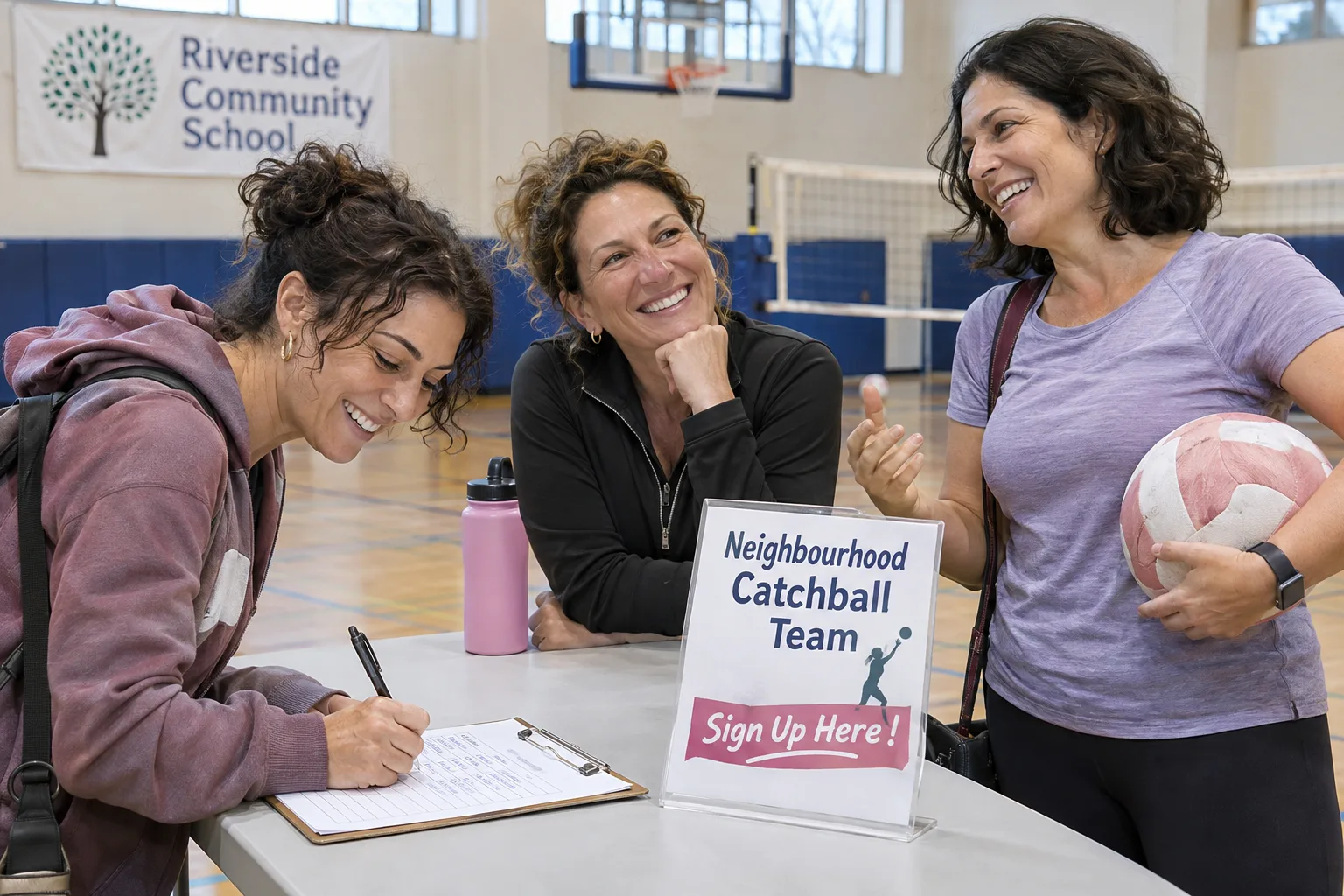
Many teams outside Israel started with one person. In northern New Jersey, a local mother opened a WhatsApp group to test interest and, within months, had five teams with 70 players under the Mamanet umbrella.
Step by step
- Test interest: a WhatsApp or Facebook group for local mothers and women over 30.
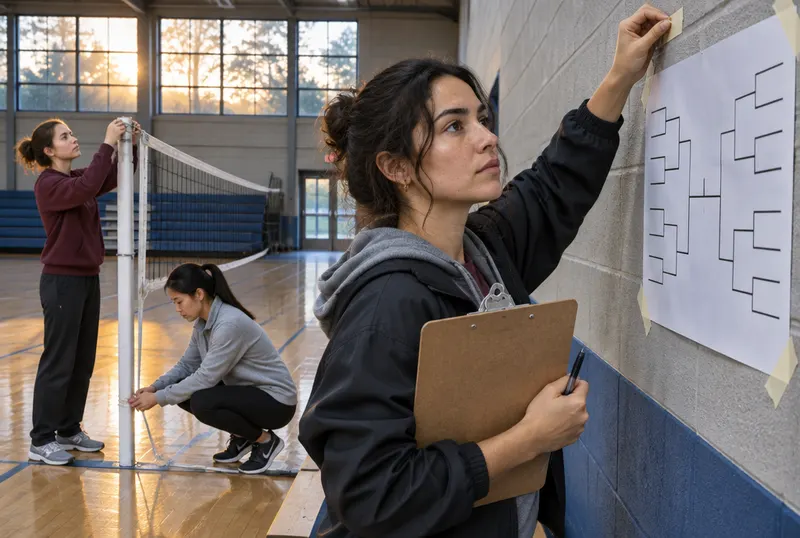
- Find a court: school gyms, community centers and JCCs often have a volleyball net.
- Get equipment: a few volleyball-size balls and a net at 2.24 m.
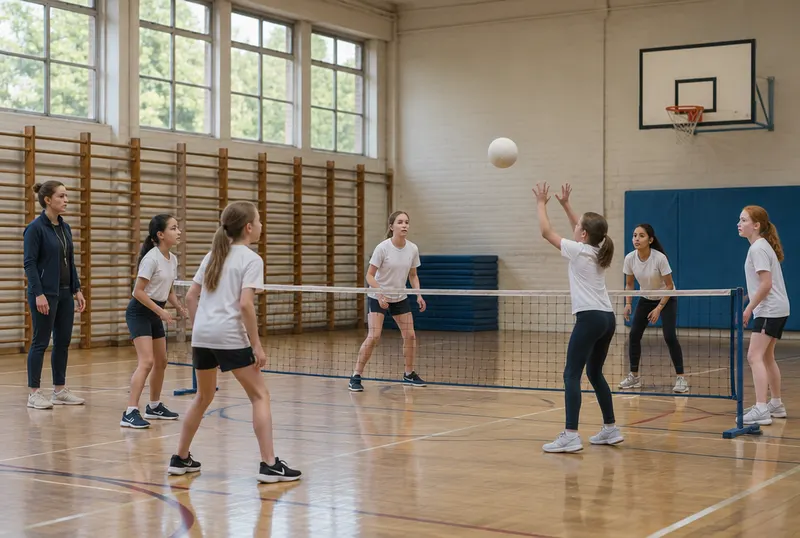
- Hold an open “try catchball” session; teach the ready position, catching and the 1-second rule.
- Train twice a week using a structured program (see our 8-week plan).
- Contact your national body (Mamanet, your national catchball association or the ICF) about leagues, coaching courses and referees.
- Play friendly games with nearby teams, then join or create a league.
Keep it social
Players stay for the community as much as the sport. Plan time together off court.
Train the trainers
Projects like MamaNet Lithuania run coach and instructor courses; a trained coach makes growth sustainable.
Mixed levels
Pair experienced players with beginners in drills so everyone improves.
What it costs to start
| Item | Notes |
|---|---|
| Court time | A school or community gym one evening a week is usually the biggest cost |
| Net and posts | Often available where volleyball is played; net height 2.24 m for women |
| Balls | 2–4 balls of 65–67 cm circumference, 260–280 g |
| Coach | A volunteer with volleyball or catchball experience, or a coach from the national body |
| Registration | League and insurance fees set by your national body |
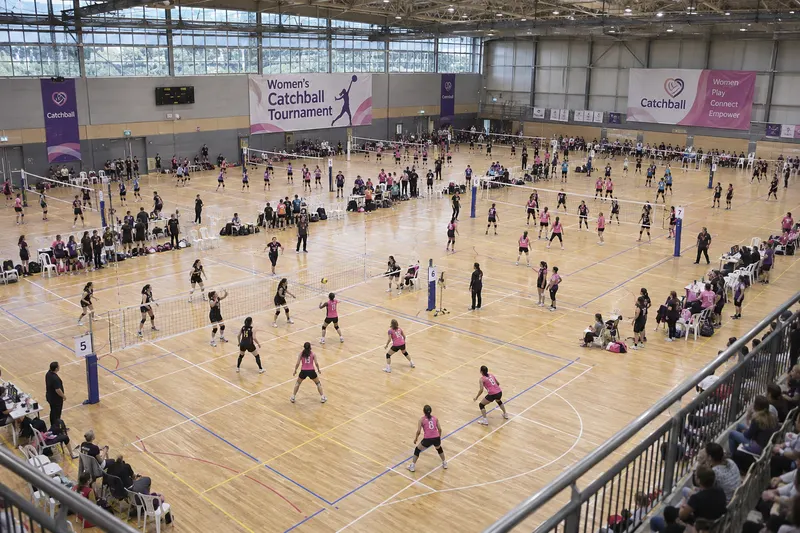 RelatedCatchball around the world in 2026: where it is played, by whom and under what name
Where to get help
National bodies want new teams. In Israel the Catchball Association and Mamanet register teams every summer; in the US, USACA offers membership and clinics; in Italy CSI runs Mamanet through its local committees; and the International Catchball Federation supports new programs worldwide, as it did for Maccabi communities in 2026.
Recruiting your first twelve players
The fastest way to fill a roster is through networks that already exist: parents at one school, a workplace, a community center, a running group. Mamanet grew in Israel exactly this way, by organizing mothers through their children’s schools. Ask each new player to bring one friend and you will have a team in weeks.
- Post a short invitation: day, time, place, “no experience needed”.
- Run a free open practice before asking anyone to commit.
- Collect contact details at the first session and create a group chat the same day.
Your first season plan
| Month | Goal |
|---|---|
| 1 | Learn to catch, pass and serve; play small-sided games |
| 2 | Learn rotation and the W formation; first 6 vs 6 games |
| 3 | Friendly match against a nearby team |
| 4–6 | Join a league or local tournament; keep one practice a week |
Roles that keep a team alive
Teams rarely fold because of results. They fold because one person does everything and burns out. Share the work from day one: a coach, a captain, someone who books the gym and collects fees, and someone who handles the group chat and social events.
Insurance, rules and registration
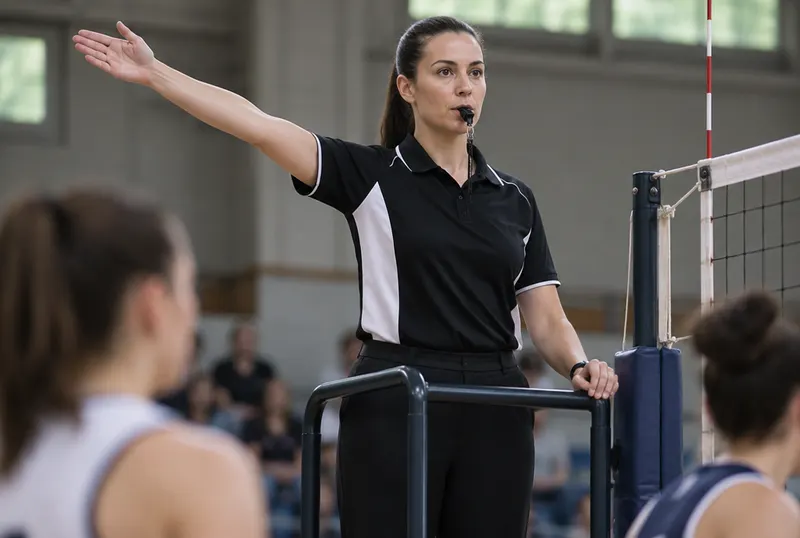
Before you join a league, check what your national body requires: player registration, a medical declaration, insurance and a team fee are common. Choose your rulebook too; most associations use the ICF rules, while Mamanet leagues have their own regulations.
Frequently asked questions
How many players do you need for a catchball team?
Six play on court; most teams register 8 to 12 so there are substitutes. National tournaments such as USACA’s require at least 8.
Enjoyed it? Share it with your team
Sources
- ynet – מאמא של ליגה (2018)
- MamaNet Lithuania
- Mamanet – Mamanet Movement
- איגוד הכדורשת – חוזר רישום לעונת 2025–26
- PlayEasy – USA Catchball Association, Inc.
- CSI – Progetto Mamanet, Cesenatico 26–28 giugno 2026 (note organizzative)
- Maccabi World Union – Empowering communities through sport (Catchball initiative, March 2026)