In this article
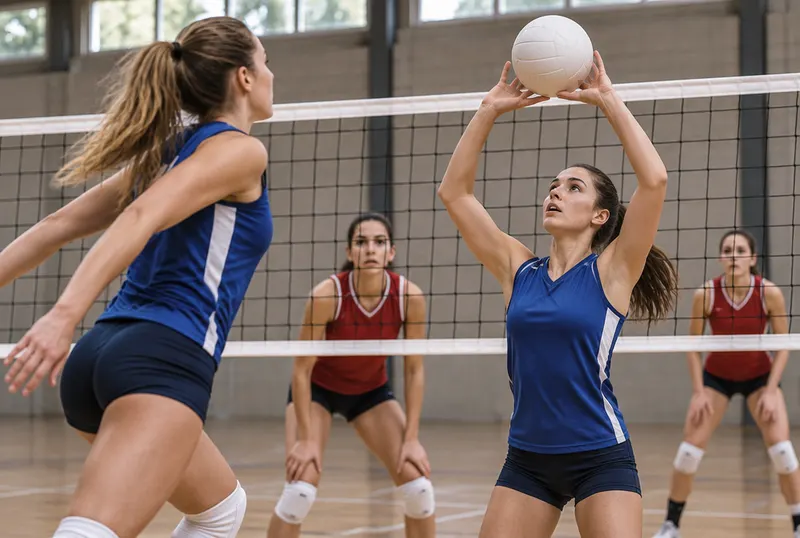
Because catchball is played like volleyball, the injury picture is similar. Reviews of volleyball injuries point to ankle sprains, shoulder overuse, knee tendon problems and knee ligament injuries as the main ones to address, and recreational players also see many finger and wrist injuries.
Ankles: the most common acute injury
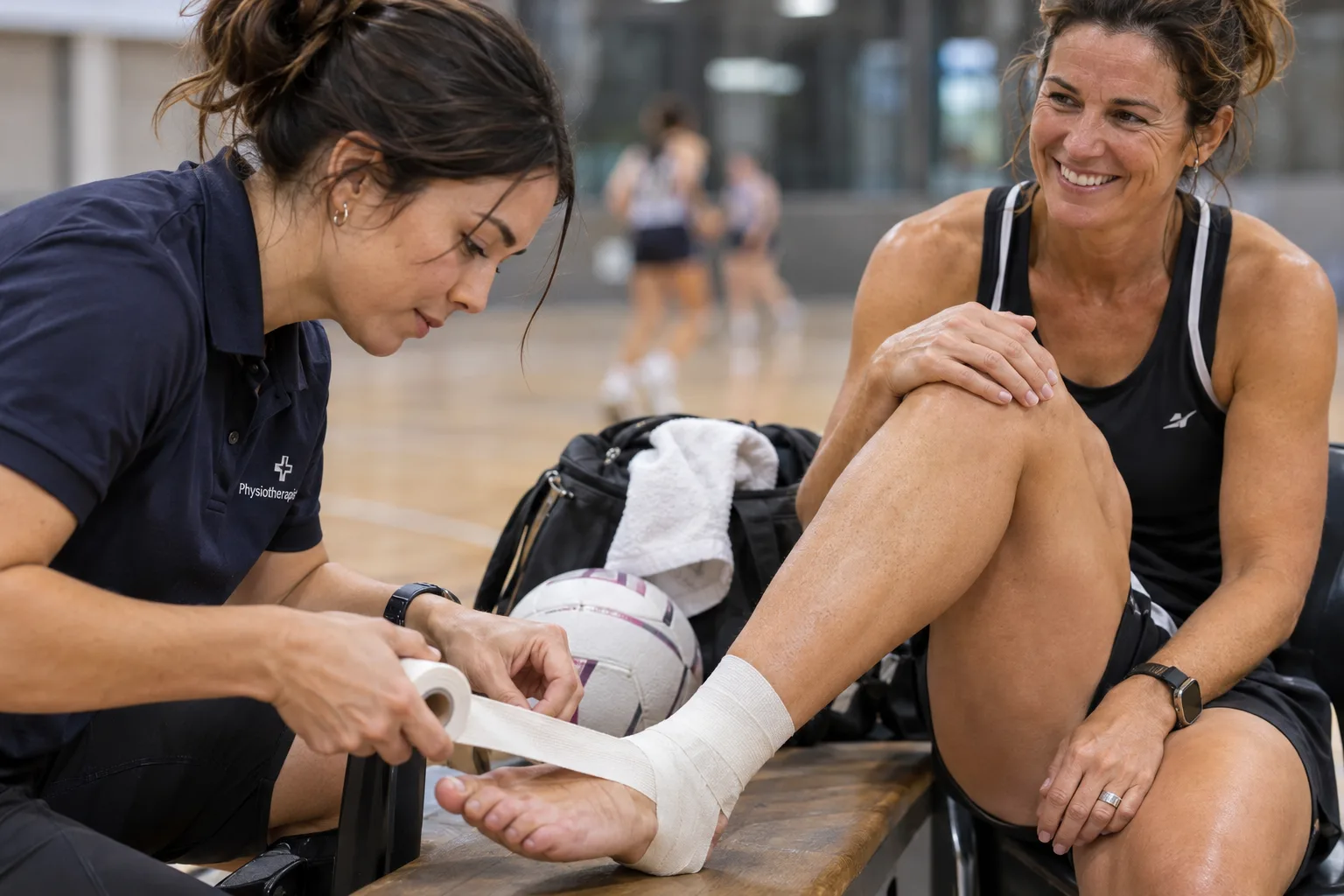
Ankle sprains are the most common acute injury in volleyball, usually from landing on someone’s foot near the net. A well-known study found a twofold drop in acute ankle sprains after a prevention program was introduced. Balance-board training reduced sprain risk significantly only in players who had sprained an ankle before.
- Jump up, not forward, at the net, and land on both feet.
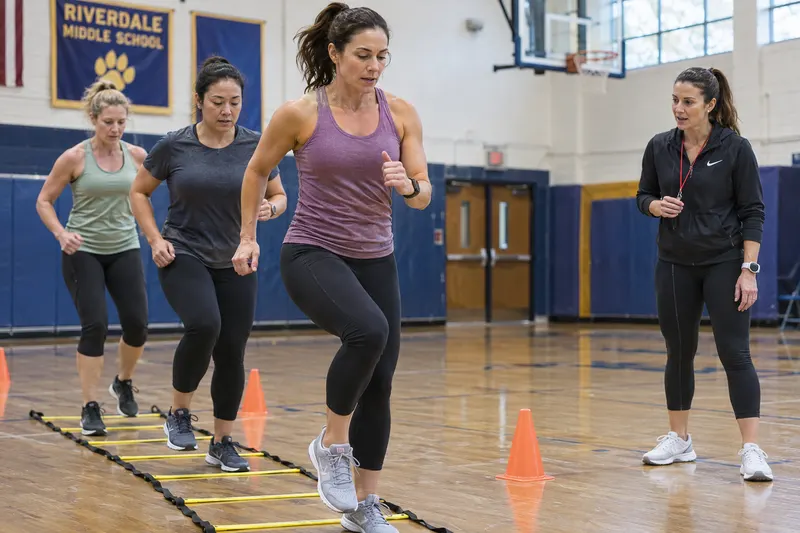
- Include balance and landing exercises in every warm-up.
- After a sprain, complete rehabilitation before returning; braces or taping may help.
Fingers: a catchball-specific risk
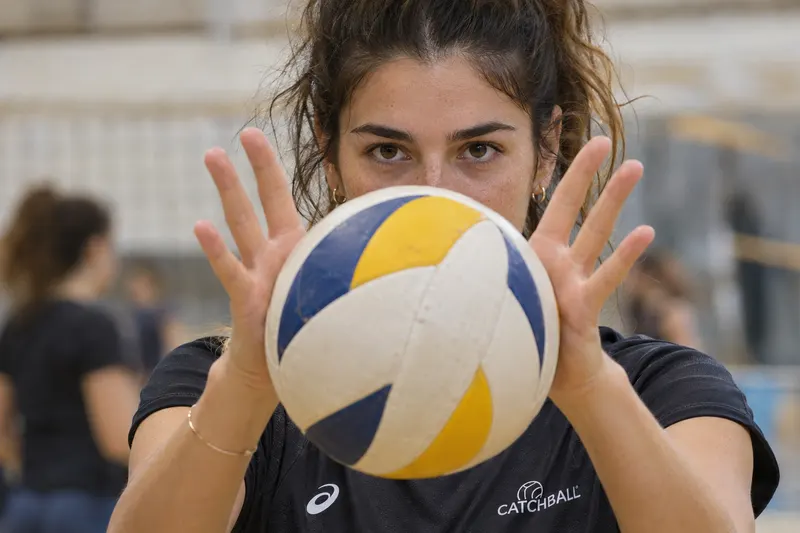
Catching a fast ball with straight fingers can jam them. Catch with relaxed, slightly bent fingers, get your body behind the ball and use soft hands. Practice catching at increasing speeds.
 RelatedThe second pass: how to set up the perfect catchball attack
Knees and shoulders
Knees suffer from repeated jumping and poor landings; shoulders from many full-power throws. Build jump and throw volume gradually, strengthen legs, hips and the upper back, and rest when pain persists.
This is general information, not medical advice. See a doctor or physiotherapist for any injury or persistent pain.
A weekly prevention plan
| When | What | Time |
|---|---|---|
| Every practice | Structured warm-up with balance and landings | 10–15 min |
| Twice a week at home | Single-leg balance, calf raises, band work for shoulders | 10 min |
| After practice | Easy stretching for calves, hips and shoulders | 5 min |
| After any sprain | Balance-board training before returning to full play | As advised |
When to stop and see a professional
- You cannot put weight on your foot after a twist.
- A finger looks deformed or you cannot bend it.
- Knee swelling appears within hours of an injury.
- Shoulder pain wakes you at night.
This is general information, not medical advice. If you are injured, see a doctor or physiotherapist.
Why catchball injuries happen
Most injuries in net sports come from a few predictable moments: landing on a teammate’s or opponent’s foot under the net, a ball hitting the fingertips at the wrong angle, a sudden change of direction on a tired leg, and repeated overhead throwing with a shoulder that was never strengthened. Prevention means preparing the body for exactly those moments.
Five habits that lower your risk
- Land on two feet whenever possible, with knees over toes, and avoid landing across the center line.
- Catch with spread fingers and soft elbows; never meet a hard ball with stiff fingertips.
- Build throwing volume gradually after a break instead of starting with full-power serves.
- Keep nails short and remove rings and bracelets.
- Stop when a joint hurts; playing through sharp pain turns small injuries into long ones.
Strength work at home (15 minutes, twice a week)
| Exercise | Sets × reps | Why |
|---|---|---|
| Single-leg balance (eyes open, then closed) | 3 × 30 sec each leg | Ankle control |
| Calf raises | 3 × 15 | Ankle and lower-leg strength |
| Split squats | 3 × 10 each leg | Knee and hip strength for landings |
| Band external rotation | 3 × 15 each arm | Shoulder health for throwing |
| Plank | 3 × 30 sec | Trunk stability for jump throws |
Returning after an injury
Return in steps: walking and balance without pain, then jogging, then jumping and landing, then catching drills, and only then full matches. After an ankle sprain, balance-board training before returning to full play is one of the best-studied ways to reduce the chance of spraining it again. Ask a physiotherapist to set the pace.
Enjoyed it? Share it with your team