In this article
Ask catchball players why they keep coming back and you rarely hear “fitness” first. You hear “my friends,” “my time” and “the only two hours a week nobody needs anything from me.” There is a reason that matters for health.
What the WHO says
The World Health Organization lists better mental health among the benefits of regular physical activity, including reduced symptoms of depression and anxiety and better thinking and sleep. It recommends that adults get 150–300 minutes of moderate activity a week, or 75–150 minutes of vigorous activity, plus muscle-strengthening work on two or more days.
Why a team adds more
- Belonging: a team is a group that notices when you are missing.
- Routine: a fixed weekly time is easier to keep than a solo gym plan.
- Play: laughing and competing pulls attention away from worries.
- Achievement: learning a new skill as an adult builds confidence.
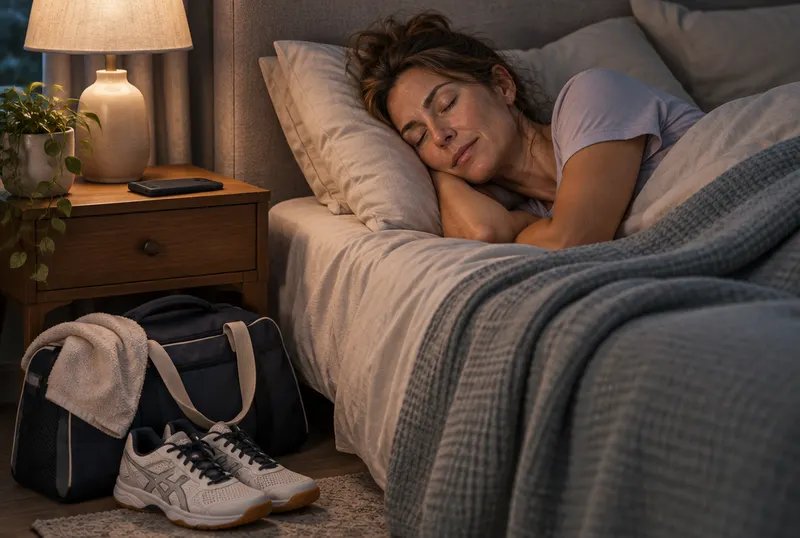 RelatedSleep is your secret training session: how rest changes your catchball game
A catchball week vs the WHO target
| Activity | Minutes |
|---|---|
| Two 90-minute practices | 180 |
| Daily 20-minute walk | 140 |
| Total | 320, above the 150–300 range |
When practice is not enough
Sport helps, but it does not replace care. If low mood, anxiety or poor sleep last for weeks or affect your daily life, talk to your doctor or a mental health professional. Telling one trusted teammate can also make it easier to take that step.
This article is general information, not medical advice. If you have pain, an injury or a health condition, talk to a doctor or physiotherapist.
Frequently asked questions
Is team sport good for mental health?
The WHO says regular physical activity reduces symptoms of depression and anxiety and improves thinking and sleep. Team sport adds belonging, routine and social support.
How much exercise does the WHO recommend for adults?
150–300 minutes of moderate or 75–150 minutes of vigorous activity a week, plus muscle strengthening on two or more days.
Enjoyed it? Share it with your team