In this article
Most of us think about bones only when one breaks. But bone is living tissue that responds to how you use it. It gets stronger when it is loaded and weaker when it is not.
What helps bones
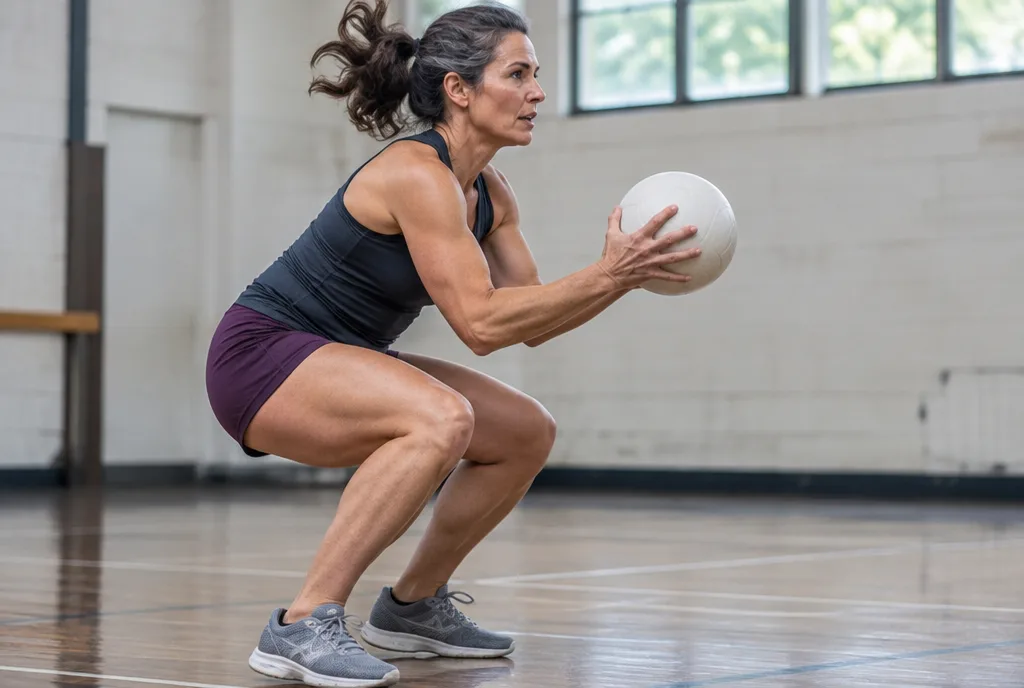
NHS information on bone health highlights two types of exercise. Weight-bearing exercise, where your legs and feet support your weight, especially higher-impact activities such as running, skipping and dancing. And resistance exercise, which makes muscles pull on bones. It also advises avoiding long periods of sitting.
| Type | Examples | Where catchball fits |
|---|---|---|
| Weight-bearing, impact | Running, skipping, jumping | Short sprints, jump throws, landings |
| Weight-bearing, low impact | Walking, stepping | Moving into position, rotation |
| Resistance | Squats, lunges, push-ups | Add at home twice a week |
A bone-friendly week for a catchball player
- Two catchball practices or matches.
- Two short strength sessions at home (15–20 minutes).
- Daily walking, including stairs when you can.
- Break up long sitting at work every hour.
 RelatedSleep is your secret training session: how rest changes your catchball game
Food and lifestyle
Calcium-rich foods, enough vitamin D, not smoking and limiting alcohol all support bone health. If you have a family history of osteoporosis or have broken a bone easily, ask your doctor whether a bone density test makes sense.
This article is general information, not medical advice. If you have pain, an injury or a health condition, talk to a doctor or physiotherapist. If you already have osteoporosis, ask which impact level is safe for you.
Frequently asked questions
Is catchball good for bone health?
It includes running, jumping and landing, which are weight-bearing activities that help keep bones strong. Adding strength training twice a week helps more.
Enjoyed it? Share it with your team