In this article
Every catchball team has a nail story: the gel that snapped on the first serve of the season, the teammate who plays with taped fingertips. In a sport where every ball is caught with the fingers, nails take a beating.
Length: shorter is safer
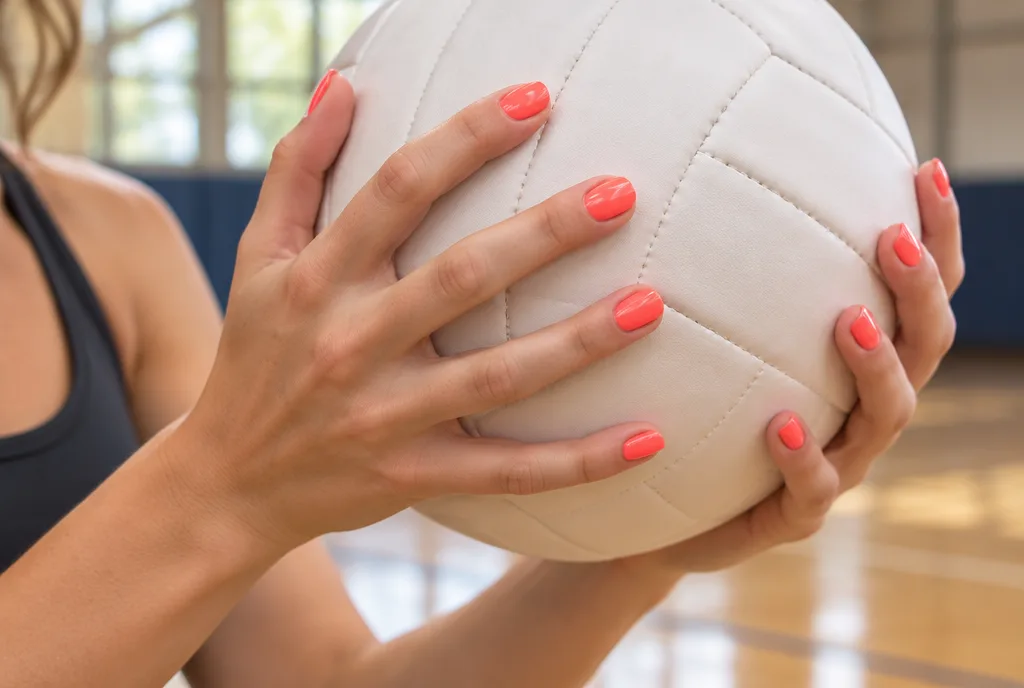
When you catch, the ball presses against your fingertips. Long nails act like levers: the ball hits the nail and bends it back, which can tear it below the free edge. Many players settle on a length that just covers the fingertip.
Shape
| Shape | For catchball |
|---|---|
| Short round or squoval | Best: strong, smooth edge |
| Short square | Good, but corners can catch |
| Almond or stiletto | Risky: thin tips break and can scratch teammates |
| Long extensions | Not recommended for match play |
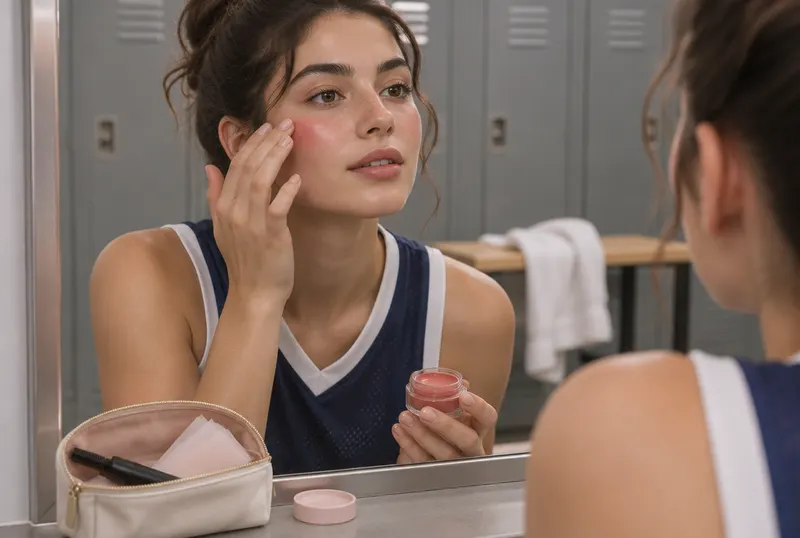 RelatedGame-day glow: sweat-proof makeup that survives three sets of catchball
Finishes that last
- Gel polish on short natural nails usually holds better than regular polish.
- Strengtheners and a clear top coat help thin, peeling nails.
- Bright team colors look great in photos and hide small chips.
- Avoid 3D decorations: they snag on balls and bibs.
If a nail breaks on court
- Stop and check for bleeding.
- Trim the broken part neatly with clippers, do not rip it.
- Cover with a plaster or tape to protect the area.
- Keep it clean and dry; see a doctor if it becomes red, hot or painful.
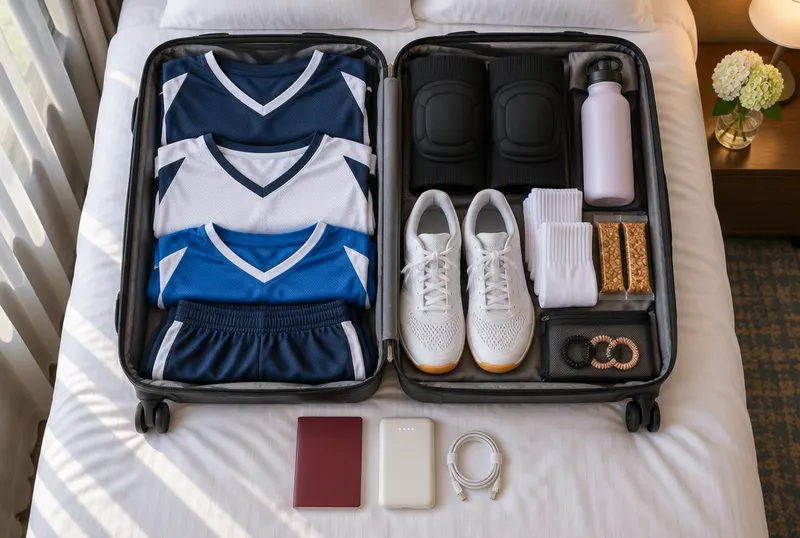
A small nail kit in your bag (clippers, file, plasters) saves a lot of tournament-day drama.
Frequently asked questions
Can I play catchball with long nails?
You can, but long nails often bend or tear when the ball hits the fingertips. Many players keep them short and round with gel polish for strength.
Enjoyed it? Share it with your team